
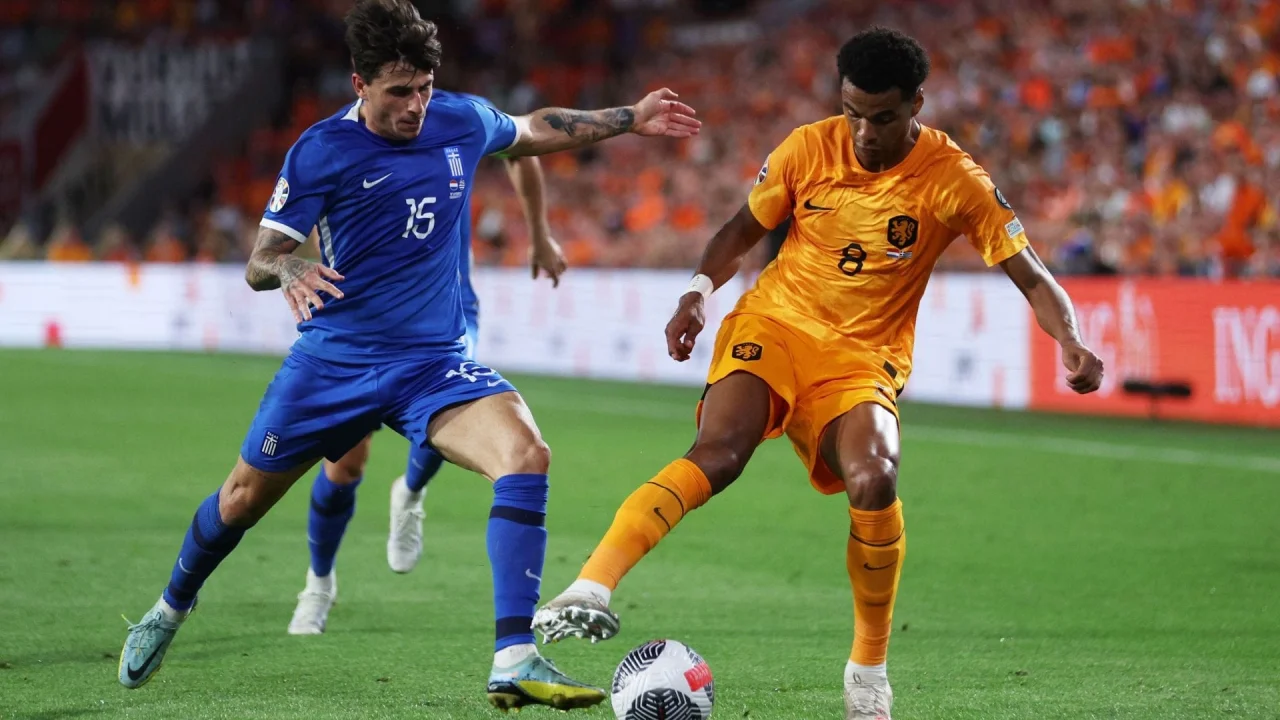
Greece welcome the Netherlands tonight after becoming the only Group A2 team to win both opening matches. The Greeks followed a 2-1 success in Serbia with a 1-0 victory in Germany. The Netherlands drew 1-1 with Germany before Mexx Meerdink scored twice in a 2-1 win over Serbia. The match places Greece’s compact, decisive start against a Dutch side that expects to own possession and now has a young forward converting its best moments.
Greece have made small advantages last
Two victories by one goal show a team comfortable inside close matches. Greece have not needed long periods of dominance to change the table. Their value has come from protecting the center, arriving with enough players when an opening appears and refusing to turn a lead into a reckless search for another goal. That discipline will be tested by longer Dutch spells on the ball.
The home side should not drop so early that every recovery begins beside its own penalty area. A compact block can still keep one outlet high and move forward after a clearance. If the first receiver holds the ball or wins a foul, the whole team gains distance. Without that pause, the Netherlands can collect the clearance and begin a second attack before Greece has reset.
The Netherlands need width with a clear final target
Dutch possession can pull Greece toward one side, but the switch matters only when the receiving player attacks immediately. A slow first touch gives the compact defense time to travel. The winger should decide before the ball arrives whether to drive outside, combine inside or deliver early toward Meerdink and the far-side runner.
Meerdink’s two goals in Belgrade make his movement an obvious reference. Greece can protect the central lane by keeping the nearest full-back narrow, yet that leaves space for a winger to receive. The Netherlands must use that space without filling the box too late. One runner near the penalty spot and another beyond the far post create choices that a hopeful cross to a single striker cannot.
| Equipo | Puntos tras dos partidos |
|---|---|
| Grecia | 6 |
| Países Bajos | 4 |
| Greece results | 2-1 Serbia; 1-0 Germany |
| Netherlands results | 1-1 Germany; 2-1 Serbia |
| Inicio | 20:45 CET |
Loose balls after tackles may decide the match
Greece are likely to force several Dutch attacks into crowded areas. Winning the first duel is only half the defensive action. The next pass decides whether the home team can counter or must defend again. A midfielder positioned five or ten metres from the tackle can collect the loose ball and find a runner before the Netherlands rebuild their rest defense.
For the visitors, counter-pressing should protect against that first Greek outlet rather than chase the ball without shape. The nearest player can delay, while a defender tracks the forward and another midfielder covers the passing lane. If all three converge on the same ball carrier, one simple release can turn Greek patience into a direct attack against an empty back line.
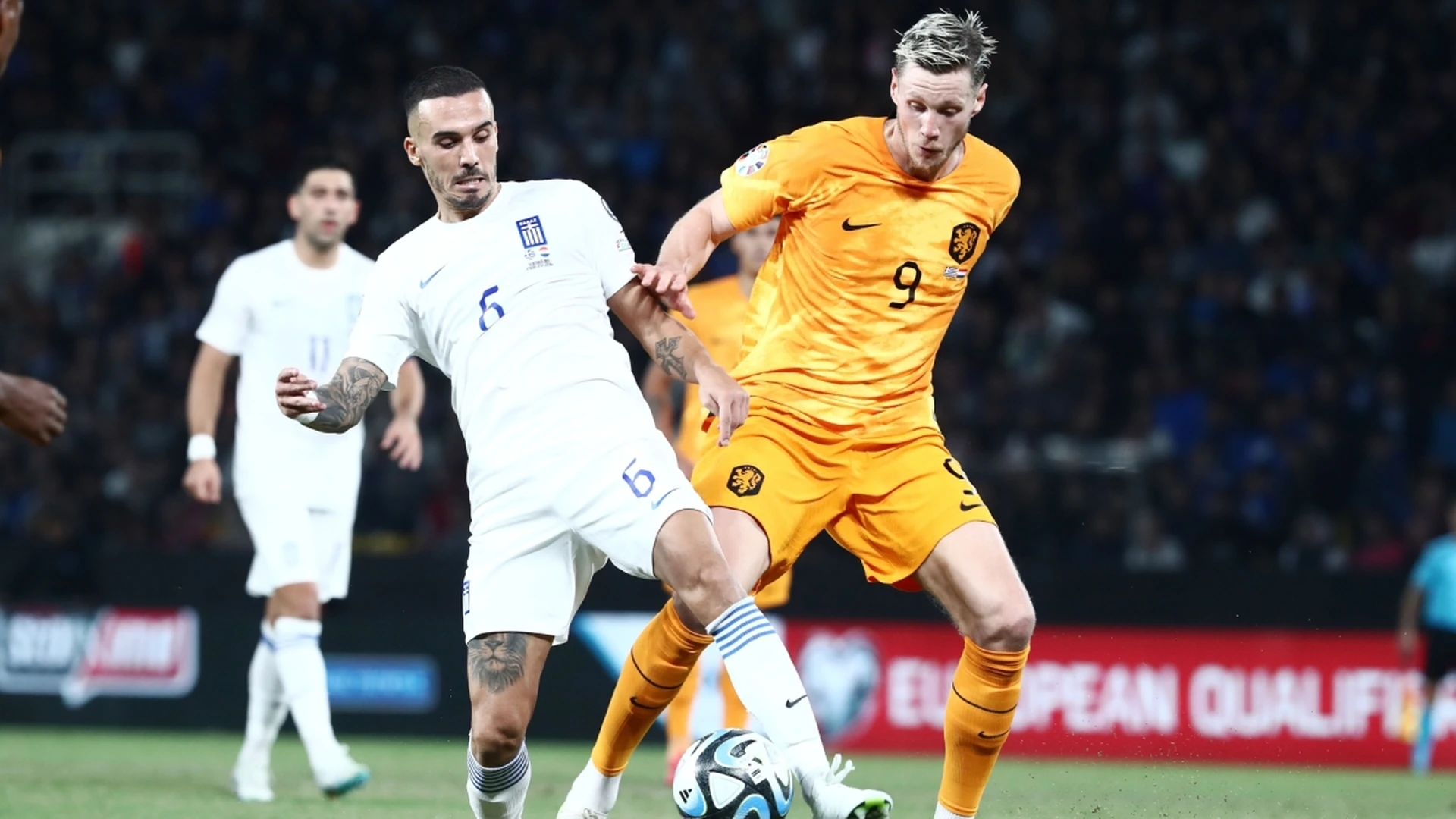
A first goal would change two very different plans
If Greece score first, they can return to the compact distances that worked in Germany and ask the Netherlands to take greater risks. The Dutch would then need quicker circulation without losing protection against the counter. Introducing another attacker is useful only if someone remains responsible for the space behind the ball.
A Dutch opening goal would ask Greece to lead the game rather than manage it. The hosts have attacking quality, but they would need to push a full-back or midfielder higher and expose different spaces. That scenario could reveal more about their ceiling than the first two wins. A perfect start is valuable; responding when the usual script disappears is the next measure of progress.
The group lead is real but still fragile
Six points give Greece an excellent platform, not an early qualification. The same teams meet again later in the campaign, and this extended window includes another match on Sunday. Protecting physical energy matters because repeated high-speed defending can be felt four days later even when tonight’s result is positive.
The Netherlands have four points and can move above Greece with an away win. A draw would preserve both teams’ unbeaten records and leave Germany and Serbia under greater pressure. Those consequences may make the final minutes tactical rather than chaotic. The side that understands which result still serves its longer schedule will make the calmer decision when the match becomes stretched.

Comentarios
Aún no hay comentarios — sé el primero en compartir tu opinión.