








Man Utd 1-1 Spurs: Solanke rescues point
Manchester United and Tottenham drew 1-1 at Old Trafford in the Premier League on Saturday 10 October 2026, with Dominic Solanke heading a stoppage-time equaliser for the ten-man visitors. Bryan Mbeumo had put United ahead in the 73rd minute before Rodrigo Bentancur was sent off. Tottenham’s late response rescued a point but extended their wait for a first league win of the season.
Spurs had created enough chances earlier to make the afternoon less precarious. Lucas Bergvall intercepted a poor pass out from Senne Lammens in the opening minutes, giving Solanke an opportunity from the edge of the area. The United goalkeeper recovered to save, so the mistake did not change the score. It nevertheless set the pattern for an opening period in which Tottenham repeatedly found promising positions.
Mohammed Kudus then sent a first-time effort wide after a move involving Savio, while Conor Gallagher could not convert another opening before the interval. United’s clearest response came on the counterattack: Mbeumo released Amad, whose low shot was saved by Antonin Kinsky. The teams reached half-time level, but the missed Tottenham opportunities explain why the visitors later had to chase a match they had initially threatened to lead.
Mbeumo’s finish and Bentancur’s dismissal
Solanke had another chance after the restart, meeting Savio’s delivery close to goal but sending his effort over. United gradually became more involved, yet neither side had made its opportunities count when the game entered the final quarter. Tottenham’s early advantage in creating chances had brought no lead to protect, leaving them vulnerable to one accurate United finish despite the balance of the first half.
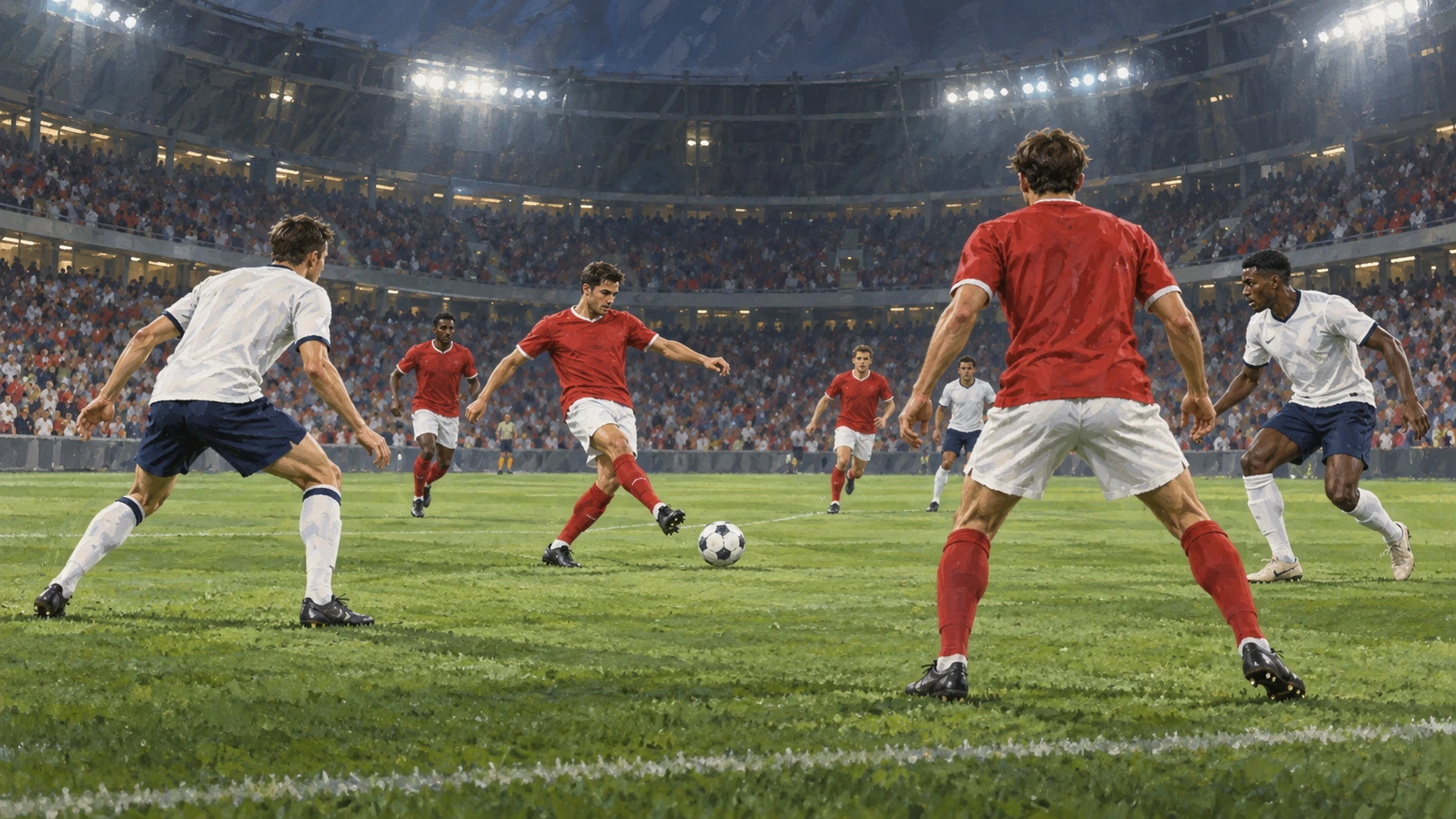
Mbeumo supplied that finish after combining with Matheus Cunha inside the penalty area. He turned and struck low across Kinsky to open the scoring in the 73rd minute. The attack gave United a tangible reward from an otherwise difficult contest. With less than twenty minutes of normal time remaining, Michael Carrick’s team now needed to protect the margin and manage Tottenham’s efforts to recover.
Bentancur’s dismissal five minutes later appeared to make that task easier. The midfielder made a headbutting motion towards Luke Shaw during an altercation and was shown a red card, with the incident also drawing both benches into a confrontation. Tottenham were now behind and a player short. The loss of Bentancur required a response in organisation as well as urgency, because another United goal would have widened the deficit further.
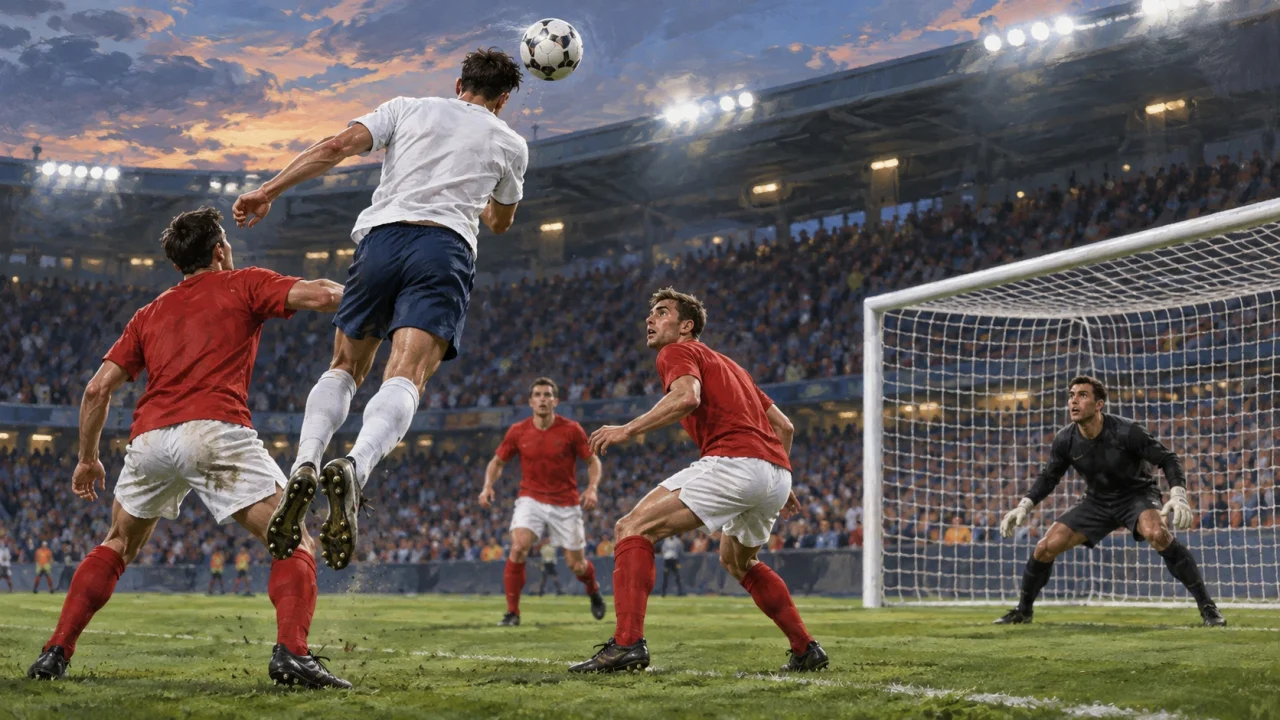
Spurs still found a route back through Sandro Tonali’s cross in stoppage time. Solanke got ahead of Lisandro Martínez and glanced his header beyond Lammens to establish the final 1-1 score. His late finish was especially significant after the earlier missed chances: he made the last important opportunity count when Tottenham had fewer players available, turning their continued attacking effort into a point rather than another defeat.

A late response leaves both teams searching
The draw leaves Tottenham without a win after six league matches. Recovering at Old Trafford is useful evidence of their ability to remain competitive after a setback, but it does not remove the finishing problem that had kept them level through the first half. The same match contains both observations: Spurs created openings while the teams were eleven against eleven, then needed a late goal to avoid losing.
Roberto De Zerbi’s post-match assessment emphasised the team’s collective response. He felt Tottenham had not deserved to lose and praised their willingness to attack, defend and remain involved together. Those comments describe the behaviour he wants repeated, rather than treating Bentancur’s reaction as a model to follow. The useful sporting example was the recovery after the red card, culminating in Solanke’s header.
Carrick accepted that United had been below the required level with and without the ball, while identifying their failure to see out the lead as particularly disappointing. Mbeumo’s goal had put them in position to win despite the earlier difficulties, and the extra player offered another advantage. Conceding to Tonali’s delivery showed that controlling those final moments still required sharper decisions and attention inside their own penalty area.



Comments