








































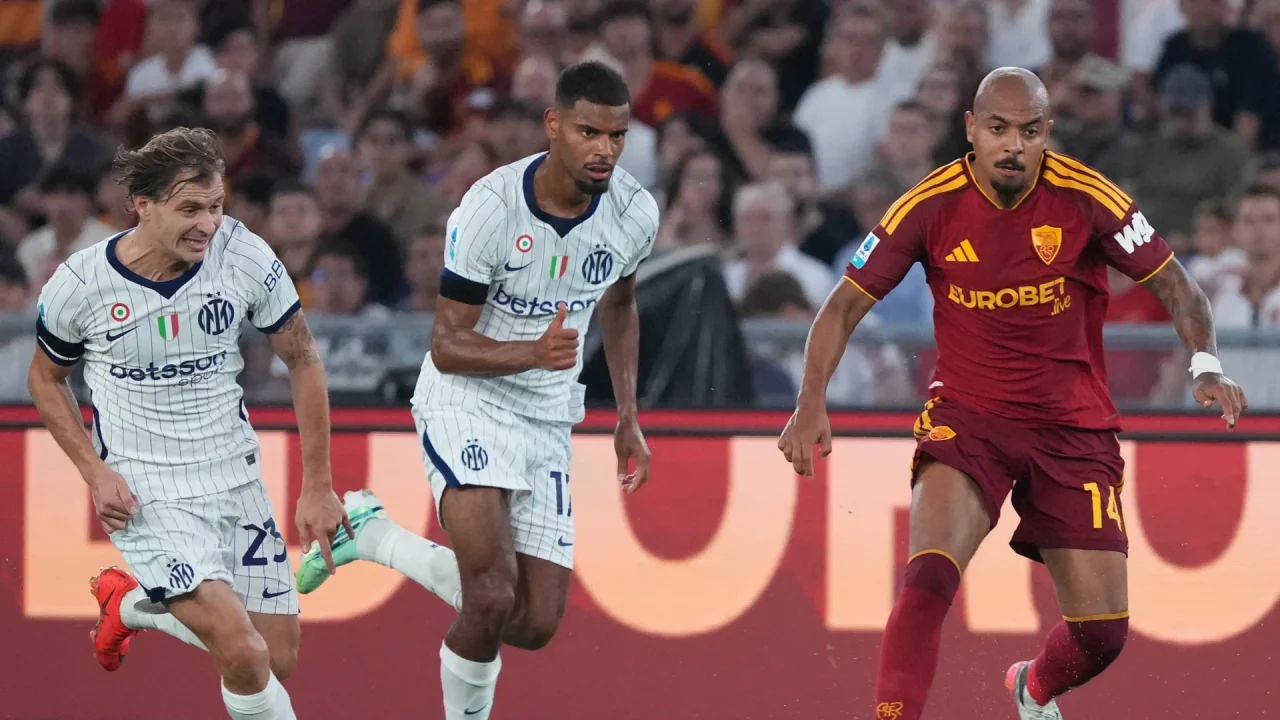
Roma and Inter drew 2-2 at the Stadio Olimpico after Manu Koné scored twice for the hosts and Lautaro Martínez answered with two goals after half-time. The match changed direction without producing a winner, making control of the restart the central tactical lesson.
Roma imposed the opening rhythm
Koné arrived in the penalty area to finish an early move and then added a second before the interval. Further evidence should come from another match against an opponent that changes intensity. The article about Roma and Inter must stay with the confirmed fact: each side controlled a different half of the match. One complication remains: a cleared first ball can still leave the penalty area exposed.
The midfielder’s timing worked because Roma had already moved Inter’s first defensive line away from the scoring zone. The confirmed fact is that each side controlled a different half of the match. The main risk should be stated directly: a cleared first ball can still leave the penalty area exposed. A simple way to protect the original advantage is to secure the next pass after the initial defensive action.
Inter used half-time to simplify the route
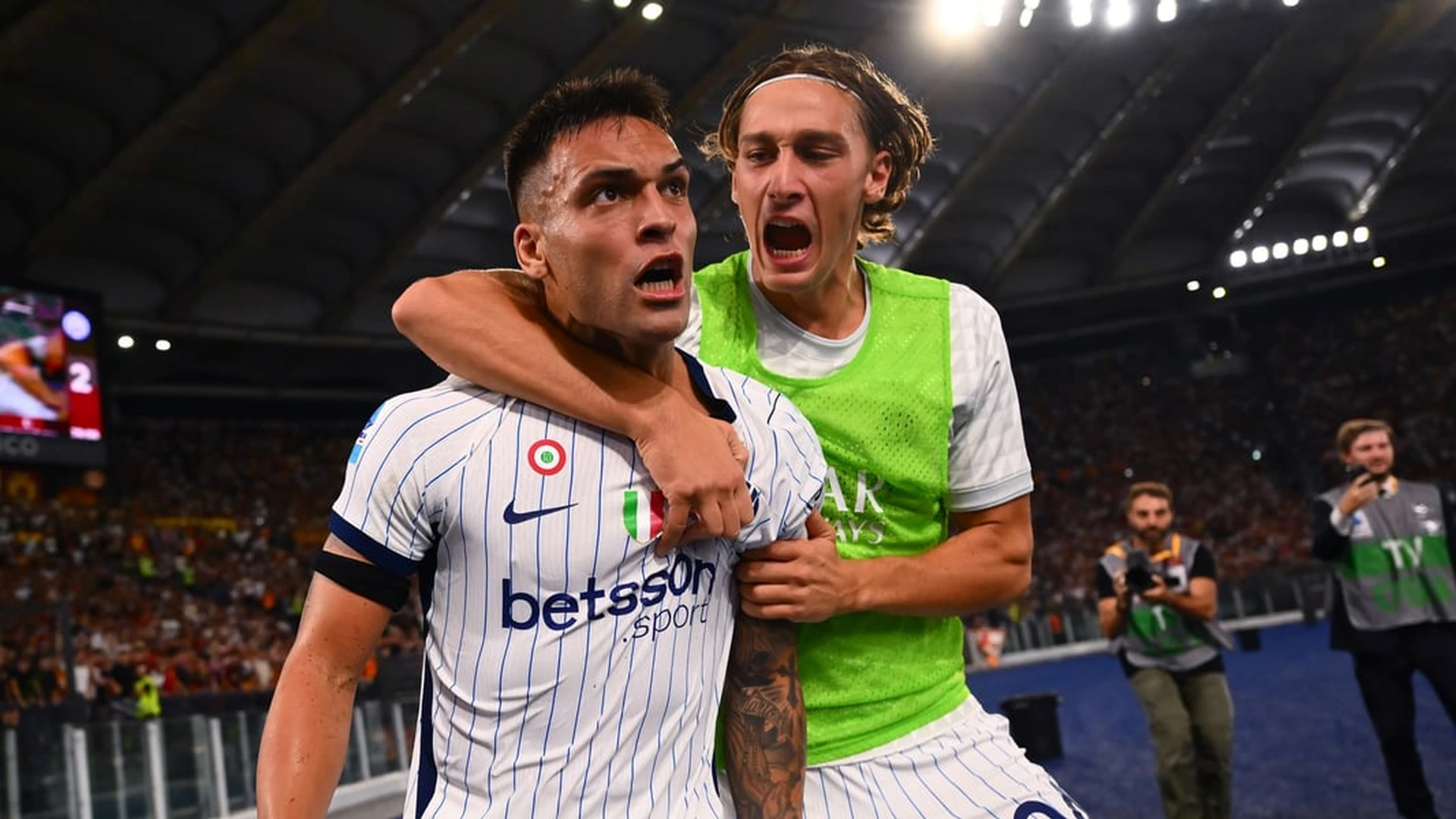
Marcus Thuram’s delivery allowed Lautaro to score immediately after the restart and remove part of the deficit. The situation is clearer when this fact remains central: each side controlled a different half of the match. That approach protects the useful part of the change: the response after the interval kept the contest open. Preparation should therefore begin with a clear instruction: secure the next pass after the initial defensive action.
The direct action gave Inter confidence without requiring a long period of harmless possession. The purpose of the decision is clear: the response after the interval kept the contest open. The first sensible response is one concrete step: secure the next pass after the initial defensive action. The plan loses its value if one issue is ignored: a cleared first ball can still leave the penalty area exposed.
Roma needed a safer outlet
As Inter pushed more players forward, the hosts had opportunities to escape pressure but struggled to keep the next pass. That fact creates a measurable advantage: the response after the interval kept the contest open. The conclusion must also consider this risk: a cleared first ball can still leave the penalty area exposed. The conclusion can be reviewed with one clear test: another match against an opponent that changes intensity.
A controlled outlet could have forced Inter to defend more distance before building another attack. One warning remains relevant throughout the process: a cleared first ball can still leave the penalty area exposed. The next reliable check will be another match against an opponent that changes intensity. For Roma and Inter, the strongest verified point remains this: each side controlled a different half of the match.
Lautaro stayed active for the second chance
The equaliser came after Roma survived the first contact but failed to finish the defensive sequence. It also leaves a condition that requires attention: a cleared first ball can still leave the penalty area exposed. The confirmed starting point for Roma and Inter is clear: each side controlled a different half of the match. The practical value is clear: the response after the interval kept the contest open.
The striker remained ready for the loose ball instead of leaving the area after the initial save. The safest practical instruction is to secure the next pass after the initial defensive action. The available evidence supports a limited conclusion about Roma and Inter: each side controlled a different half of the match. Whether the approach works can be judged through another match against an opponent that changes intensity.
Each team controlled one half
Roma’s first-half authority and Inter’s second-half response each demonstrated a strong phase without complete match control. The final judgement should use one reference point: another match against an opponent that changes intensity. The practical benefit is also specific: the response after the interval kept the contest open. The current evidence confirms that each side controlled a different half of the match.
Both teams can improve by preserving their preferred structure when the opponent changes pace. A later review should use another match against an opponent that changes intensity as its reference point. This detail matters because the response after the interval kept the contest open.


Comments
No comments yet — be the first to share your thoughts.