







































































































Borussia Dortmund left Stuttgart with a 1-0 victory after finding one decisive finish and protecting it through a demanding second half. The narrow score placed greater value on spacing, second balls and the decisions made after possession changed.
The opening phase required patience
Neither side could rely on a long spell of unopposed possession, so progress depended on recognising the moment to move beyond midfield. The performance therefore offers a working reference for preparation while leaving the next result completely open. Control came from choosing the right moment to accelerate instead of treating every possession as an immediate race toward goal.
Dortmund avoided turning every early recovery into a rushed final pass. A safe outlet after the first clearance prevents defensive work from becoming another immediate attack for the opponent. The practical benchmark is simple: keep the block connected, protect the centre and make the next pass from a balanced position.
One clean action separated the teams
The winning goal came from a sequence in which support and timing created a better shot than the surrounding pressure suggested. Wide movement is useful only when the central players adjust their positions to protect the next pass and the possible turnover. The staff can repeat this pattern in training by fixing the starting positions first and increasing the speed only after the routes are clear.
A tight contest often depends on preserving that clarity for one extra touch. The score rewards execution, while the review should still separate a repeatable pattern from an isolated finish. When that support arrives late, the same attacking idea can leave the team exposed to one direct pass through midfield.
Stuttgart increased the demand
The home side pushed more players forward and tried to recover second balls closer to Dortmund’s penalty area. Substitutes need precise instructions because fresh energy has little value when it pulls the team away from its compact shape. The result does not remove the weakness completely, but it shows which collective response gave the team a stable platform during the match.
Their pressure forced the visitors to defend the next phase after the first clearance rather than celebrate an incomplete escape. The goalkeeper can support control by choosing when to restart quickly and when the team needs time to restore its distances. Set pieces, substitutions and the first minutes after half-time remain separate tests because each one changes the location of the next duel.
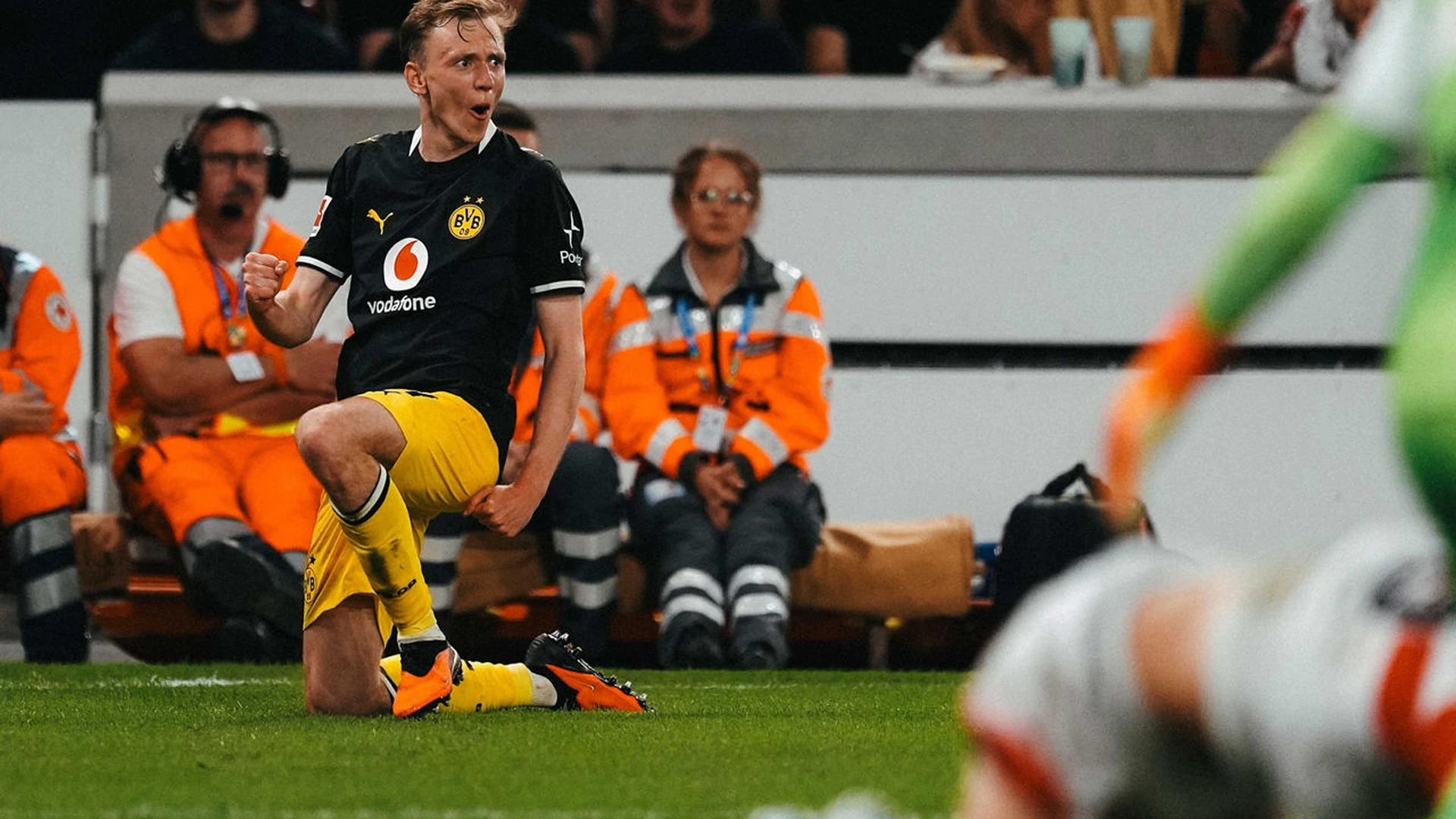
Dortmund managed the final spaces
The away team protected central routes and accepted that some possession would remain harmless near the touchline. The next fixture will reveal whether the same decisions remain clear against a different pressing height and defensive line. A similar opponent may offer less room, so the useful lesson is the order of the movements rather than the final score alone.
That choice reduced the number of direct actions faced by the goalkeeper and kept the lead from becoming constant emergency defence. The decisive test is whether the same spacing survives after possession changes and the opposition can attack the area that was just vacated. The strongest sign of progress will be another composed performance when the score and the rhythm of the game are less comfortable.
A one-goal win tests discipline
Dortmund can value the clean sheet and the calm finish while still reviewing moments when the outlet pass disappeared. That action works only when the nearest teammate provides a safe passing angle and the players behind the ball are ready for the turnover. The sequence remained effective because the supporting players reacted before the ball carrier was forced into a difficult pass.
Stuttgart have evidence that their pressure worked, but need a cleaner last decision to turn territory into a goal. The next phase depends on distances between the lines, because pressure loses value when one unit advances without support from the others. Individual quality decided an important moment, but the chance existed because several earlier movements had already shifted the defence.


Comments
No comments yet — be the first to share your thoughts.