


































































































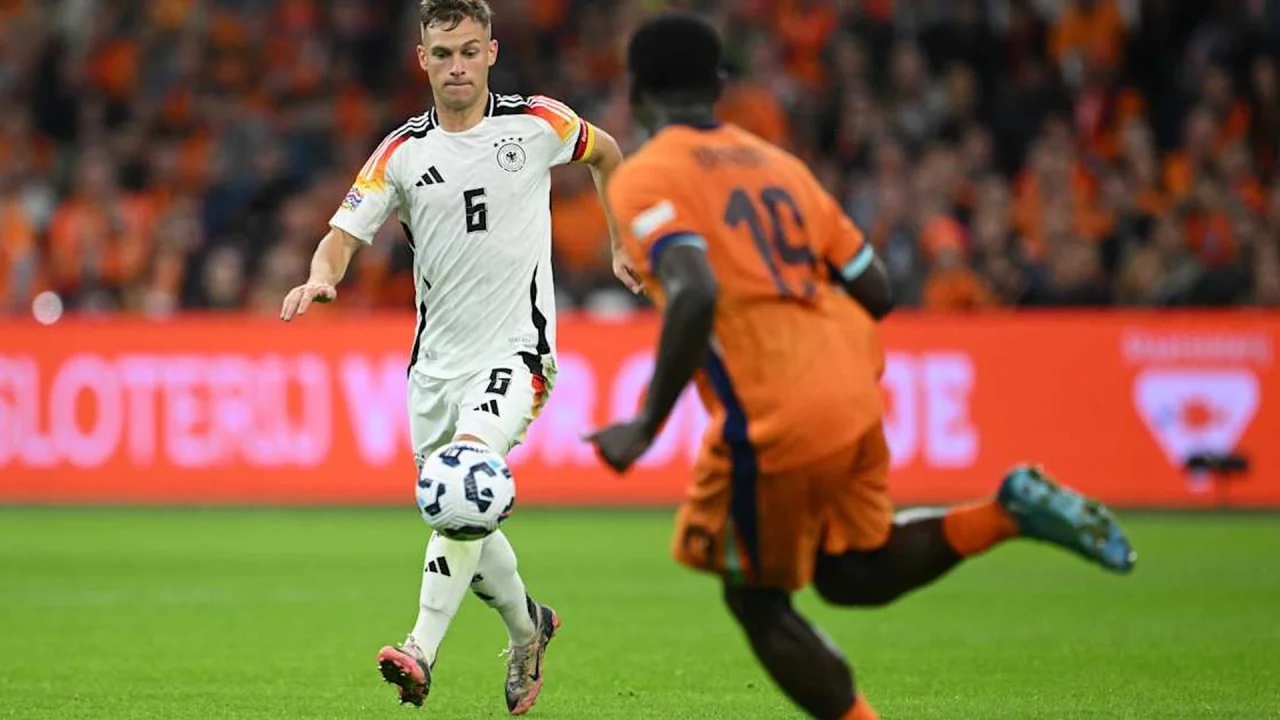
The Netherlands drew 1-1 with Germany in Amsterdam. Felix Nmecha put the visitors ahead in the 32nd minute, but Cody Gakpo volleyed the equalizer two minutes into stoppage time and denied Jürgen Klopp a win in his first match as Germany coach.
Germany’s opening press created early control
Klopp’s team pushed the Netherlands away from comfortable central build-up and forced several hurried decisions. Germany’s first match under Jürgen Klopp produced a clear early pattern. The visitors pressed with energy, moved the ball forward quickly and made the Netherlands spend long periods solving pressure rather than building attacks at their preferred pace. For the Netherlands, the point came from patience rather than a flawless display. They accepted difficult periods, stayed within one goal and found a final action when Germany could no longer close every route at once.
The aggressive start gave Germany territory and made the home side spend much of the opening phase reacting. Klopp’s side showed several encouraging habits without turning them into a complete performance. The first presser usually had support, midfielders followed second balls and Germany were willing to attack immediately after a recovery.
Nmecha turned midfield progress into the first goal
Karim Adeyemi’s close-range attempt was blocked, but Germany kept the move alive and Nmecha converted the loose ball. The Netherlands improved by moving the ball away from the first challenge and keeping a player available on the far side. That simple outlet forced Germany to cover a larger area and gradually changed where the contest was played.
The goal rewarded the visitors’ sharper work and gave the new staff a lead to manage. Felix Nmecha rewarded that work in the 32nd minute. Karim Adeyemi’s close-range attempt was blocked, but Germany kept the move alive and Nmecha reacted first to the loose ball, giving the debuting coach a deserved lead.
The Netherlands stayed in the match
The hosts did not find an immediate answer, yet they avoided conceding again and gradually improved their use of the far side. The Netherlands did not find an immediate answer, yet they remained close enough to change the result with one clean sequence. Avoiding a second German goal became as important as forcing the equalizer too early.
That patience preserved a realistic route back into the result during the closing stages. Substitutions gave the Dutch attack fresh movement while Germany tried to protect the spaces that had supported their pressing. The visitors were still compact, but they no longer reached every receiver with the same timing.

Gakpo punished a late defensive lapse
Germany could no longer close every receiver with the timing shown earlier, and Gakpo attacked the final opportunity with a decisive volley. Cody Gakpo punished that small loss of control two minutes into stoppage time. He met the late opportunity with a decisive volley and prevented Germany from converting a long lead into three points.
His stoppage-time goal changed a German debut win into a shared point. Germany’s wide pressure was useful because it limited comfortable Dutch switches. The cost appeared later, when repeated sprints reduced the speed of the visitors’ recovery and gave the home side more room to keep attacks alive.
One point leaves both structures under review
Germany displayed a recognizable pressing base under Klopp, while the Netherlands proved they could survive difficult periods. The match became less controlled after the interval. Both teams reached promising areas, but the final pass often arrived before the supporting players had established useful positions around the penalty area.
The visitors now need better late control and the Dutch need to create their attacking rhythm earlier. The equalizer did not erase Germany’s strong phases. It did show that a pressing team must also manage the final minutes with the ball, especially when tired defenders are being asked to repeat long recovery runs.
Comments
No comments yet — be the first to share your thoughts.