



















































































































































































































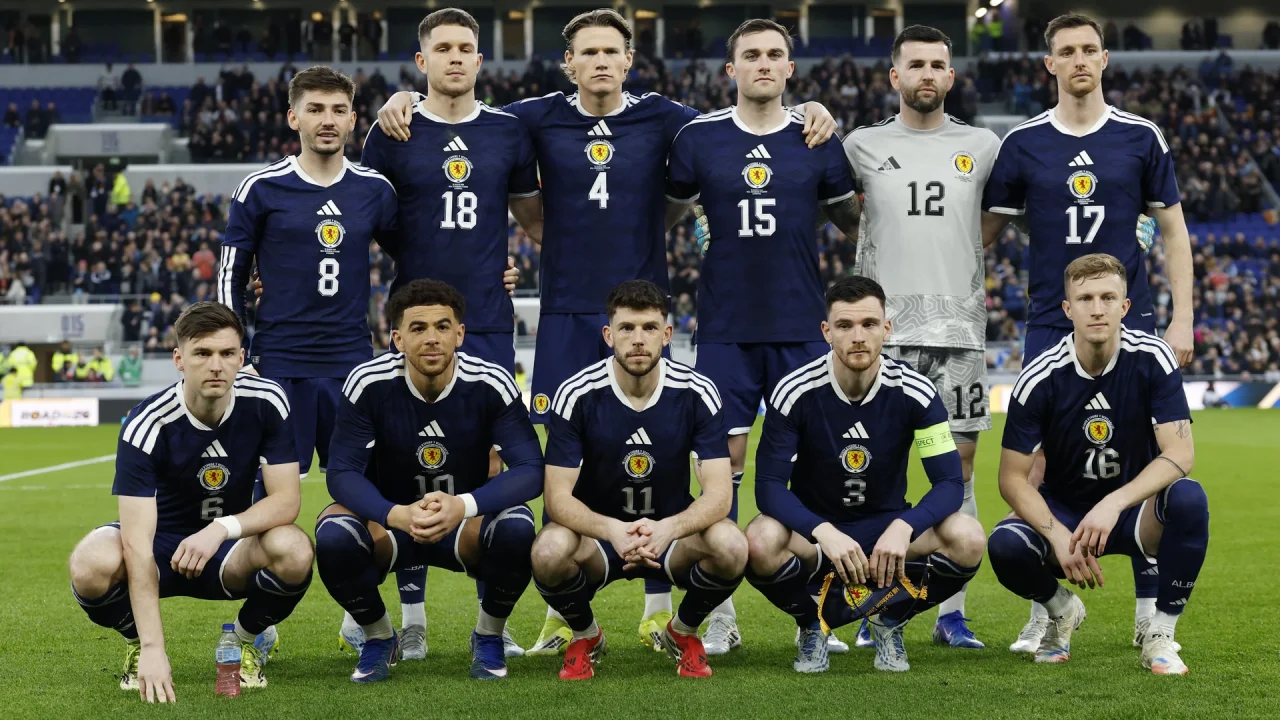
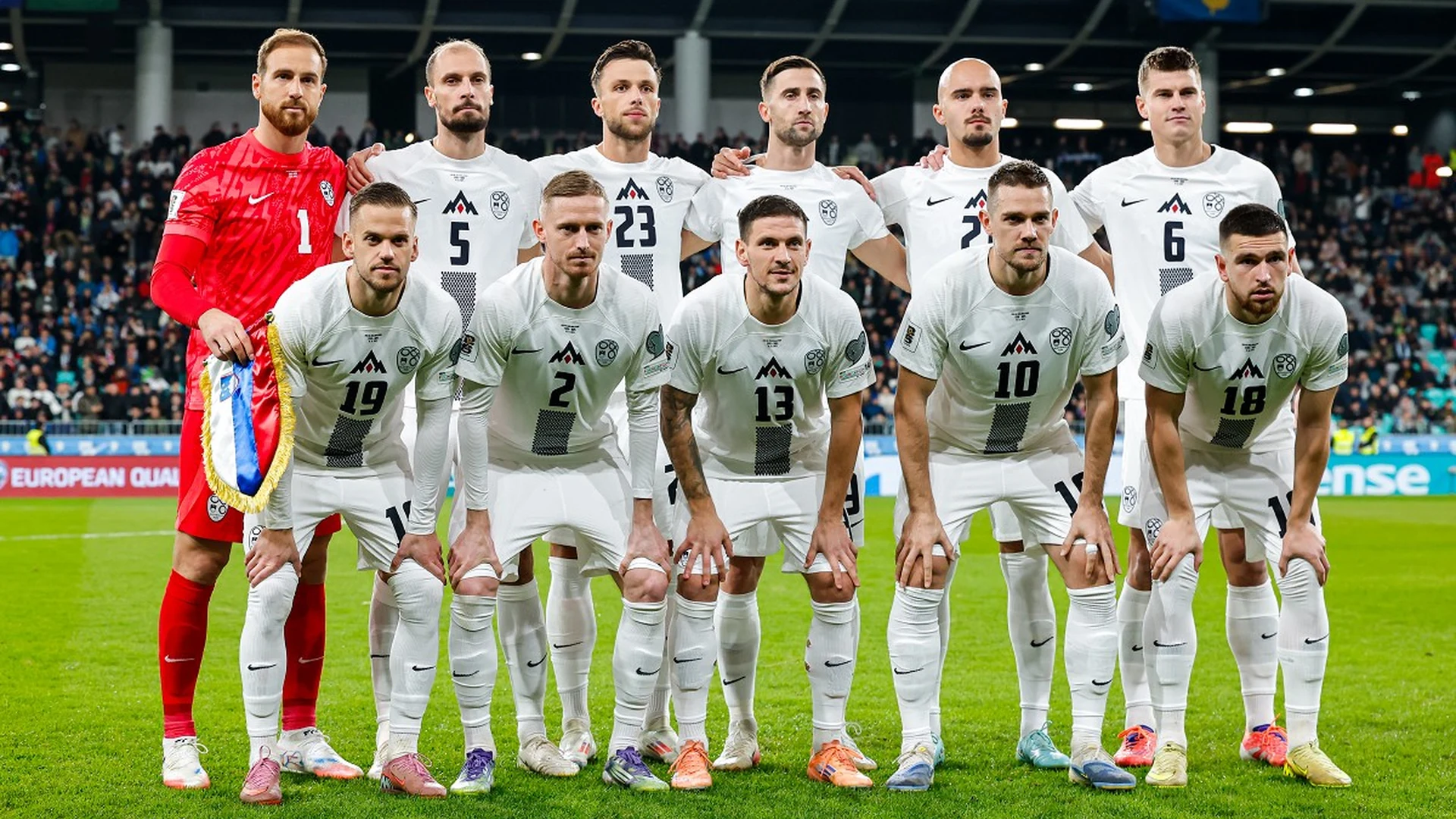
Slovenia and Scotland finished 0-0 in their opening Nations League match. Neither side found the decisive action, but the draw gives both teams a defensive base for the next round. The result should be read as a contest between compact defensive shapes rather than as evidence that the teams lacked attacking intent.
Both teams protected the central areas first
Both teams were careful about losing the ball in positions that would expose the centre-backs. Midfield support stayed close to the defensive line, reducing the space for a forward to receive, turn and attack the goal. That structure pushed more possessions toward the touchline and made the final pass easier to anticipate.
A compact centre does not eliminate chances, but it changes where they begin. Scotland needed an overlap or an early switch to move Slovenia’s block. Slovenia looked for moments when the Scottish wing-back had advanced and the channel behind him could be attacked. The match remained level because neither route produced a clean final touch.
Patience sometimes became caution
Possession was valuable when it moved an opponent, yet less useful when it returned repeatedly to the same defender. A goalless match often contains periods in which both sides can see the risk of forcing the issue more clearly than the reward. The first group match increases that feeling because one transition can turn a reasonable point into an avoidable defeat.
The solution is not simply faster passing. The receiving player needs a runner who changes the next defender’s decision. Without that movement, speed only delivers the ball into a closed lane sooner. Scotland and Slovenia both reached promising areas, but the supporting run and the final delivery did not align often enough.
Set pieces offered a different route
When open play creates few chances, corners and free kicks can bypass the need to create space through possession. The attacking side can place several players near the goal and prepare a second phase outside the box. The defending side must track runs while still protecting the target area for the first ball.
Neither team turned that route into the winning goal. Even so, the quality of the set-piece plan remains important for later matches. A group can gain several points from one rehearsed movement, especially when opponents defend well in normal play. Delivery, blocking positions and the reaction to a clearance all deserve separate analysis.
Defending well must lead to a controlled first pass
Slovenia and Scotland can both value the defensive result. The back lines communicated, the spaces in front of goal remained crowded and no late mistake destroyed the work. However, a defence becomes more sustainable when the team can keep the ball after winning it. Repeated hurried clearances eventually create another attack.
The next improvement is therefore connected to the first forward pass. A midfielder receiving on the half-turn can carry the team out, while a striker protecting the ball can bring wide players into the move. Those actions do not belong only to the attack; they are also part of avoiding a goal over ninety minutes.
The 0-0 result leaves the group open
A 0-0 draw gives each side one point without revealing a large difference in level. That can be useful at the start of the schedule, but it also increases the value of the next match. A team that adds more threat without losing its compact shape can turn this defensive foundation into a strong opening window.
The analysis should avoid two extremes. The match was not a failure simply because it lacked a goal, and not conceding does not mean the performance is complete. Slovenia and Scotland have evidence that their basic structure works. They now need more coordinated movement near the box so the same control can produce a winning chance. Neither team conceded, which gives both coaches something concrete to keep, but their attacking lessons should be different. Slovenia can ask its wide players to receive earlier so that the next pass reaches the box before Scotland has two defensive lines in place. Scotland needs a runner beyond the first forward when the ball is secured between midfield and defence. Neither change requires a reckless formation. One player simply needs to recognise the opportunity sooner, turning controlled possession into a shot without exposing the team to an easy counterattack. For the next fixture, both sides can keep the defensive distances while committing one extra runner after the first safe pass. That would add threat without turning a controlled structure into an end-to-end game.

Comments
No comments yet — be the first to share your thoughts.