



Ukraine opened their Nations League campaign with a 1-0 victory over Hungary in Budapest. Danylo Sikan headed in the decisive goal late in the first half, and Ukraine protected the lead despite sustained home pressure and a late dismissal.
Hungary started with territorial control
The home side moved the ball forward and created enough pressure to keep Ukraine close to their own penalty area.
That possession produced several attempts, but too few forced the goalkeeper into a difficult save.
The confirmed starting point for Ukraine’s win in Hungary is simple: Sikan’s first-half header settled the match 1-0. Any assessment that begins from a different premise will confuse what has happened with what might happen next. The strongest conclusion is the narrow one supported by the source and the visible result. Later evidence can expand the picture, but it should not rewrite the confirmed fact merely because a more dramatic interpretation looks attractive.
A final check of Ukraine’s win in Hungary should separate the confirmed outcome from what still needs to be observed. The source establishes the event, while later evidence will show whether its wider effect lasts. This distinction keeps the conclusion precise and prevents one uncertain detail from altering facts that are already clear. It also leaves room for a later update without making the current account sound incomplete.
Sikan punished one clean delivery
Ukraine did not need a long sequence to take the lead because the cross reached Sikan in a position where he could attack the ball first.
His header turned a balanced first half into a match Hungary had to chase.
The main advantage connected to Ukraine’s win in Hungary is that compact defending reduced the value of Hungary’s possession. Its value appears in practical choices rather than in a broad promise. A useful advantage creates another workable option, preserves time for a response and remains understandable when pressure rises. If it can be seen in several comparable situations, it becomes part of a reliable pattern; if it appears once, it should remain a positive sign rather than a final verdict.
Ukraine protected the central route
The visitors allowed some possession around the outside but kept enough players close to block direct entries through the middle.
Hungary therefore relied on lower-percentage shots and deliveries rather than repeated clear chances inside the area.
The central risk around Ukraine’s win in Hungary is that deep protection becomes fragile when clearances return immediately. That weakness matters before the decisive moment because it can narrow the available choices without an obvious warning. A rushed correction often creates a second problem and makes the original cause harder to identify. The safer review isolates the first point at which control was lost, checks what support was still available and changes only the part that failed.
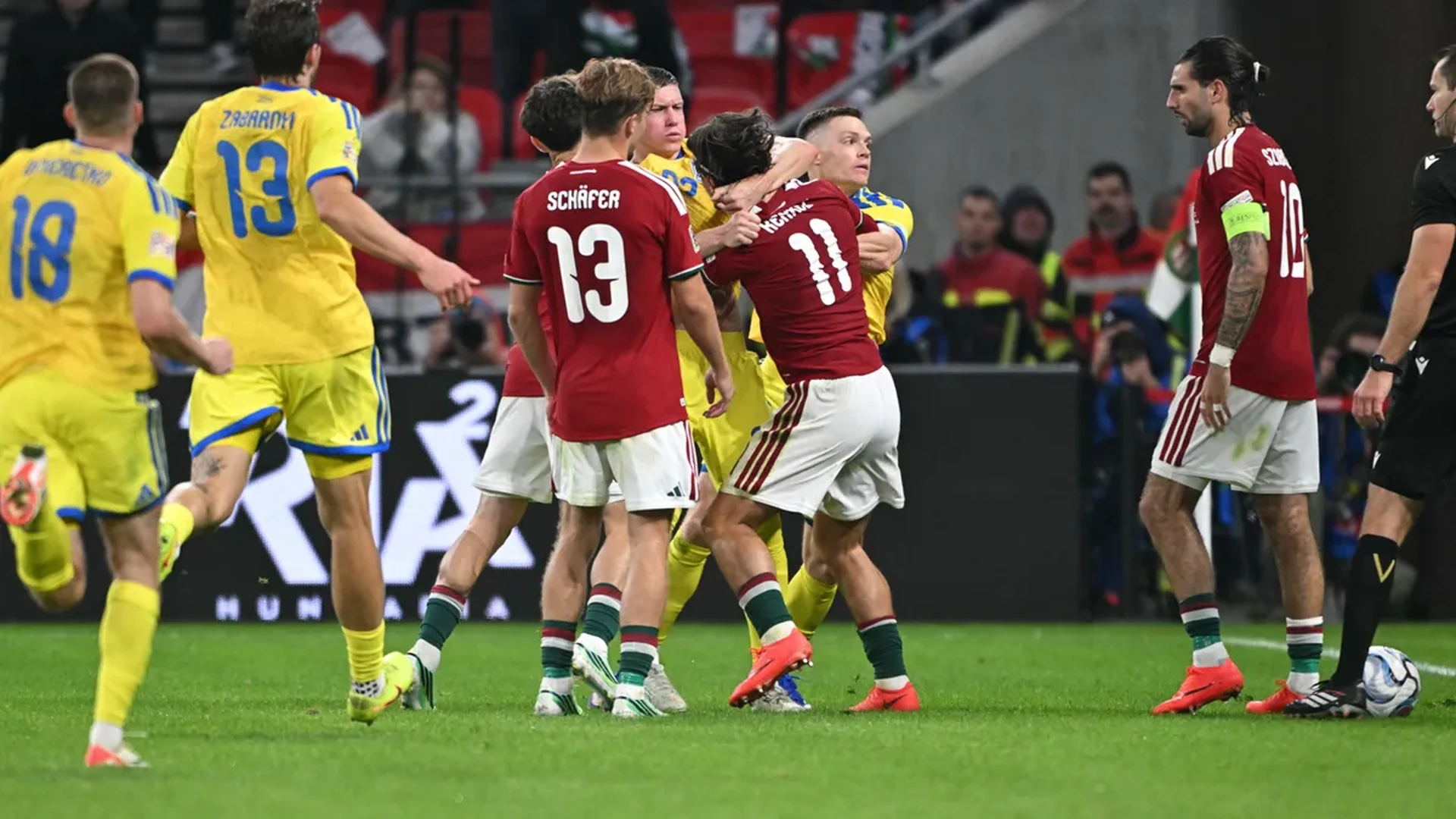
The late red card increased the pressure
Ukraine were reduced to ten players in added time and had to defend the final moments without their usual midfield coverage.
The remaining players narrowed the space, cleared the next delivery and prevented Hungary from using the numerical advantage.
The practical response for Ukraine’s win in Hungary is to keep an outlet available after each defensive action. The order is important: confirm the starting condition, make the intended move and inspect its immediate effect before committing more resources. This process does not guarantee success, but it makes the result easier to explain and repeat. It also prevents frustration from turning one specific weakness into a complete change of direction.
The result rewards efficiency
Hungary had more of the ball and more attempts, but Ukraine produced the decisive action and defended it with discipline.
The hosts need better shot selection in the next match, while Ukraine can keep the compact structure without depending on a single goal every time.
The clearest measure for Ukraine’s win in Hungary is the number of home attacks that reach a clear central shooting position. One highlight cannot answer that question because it may depend on timing, a favourable matchup or an isolated mistake. Several comparable examples reveal which part remains dependable and which part weakens as the conditions change. A stable pattern supports the conclusion; a sharp decline identifies the phase that needs the next correction.


Comments
No comments yet — be the first to share your thoughts.