






































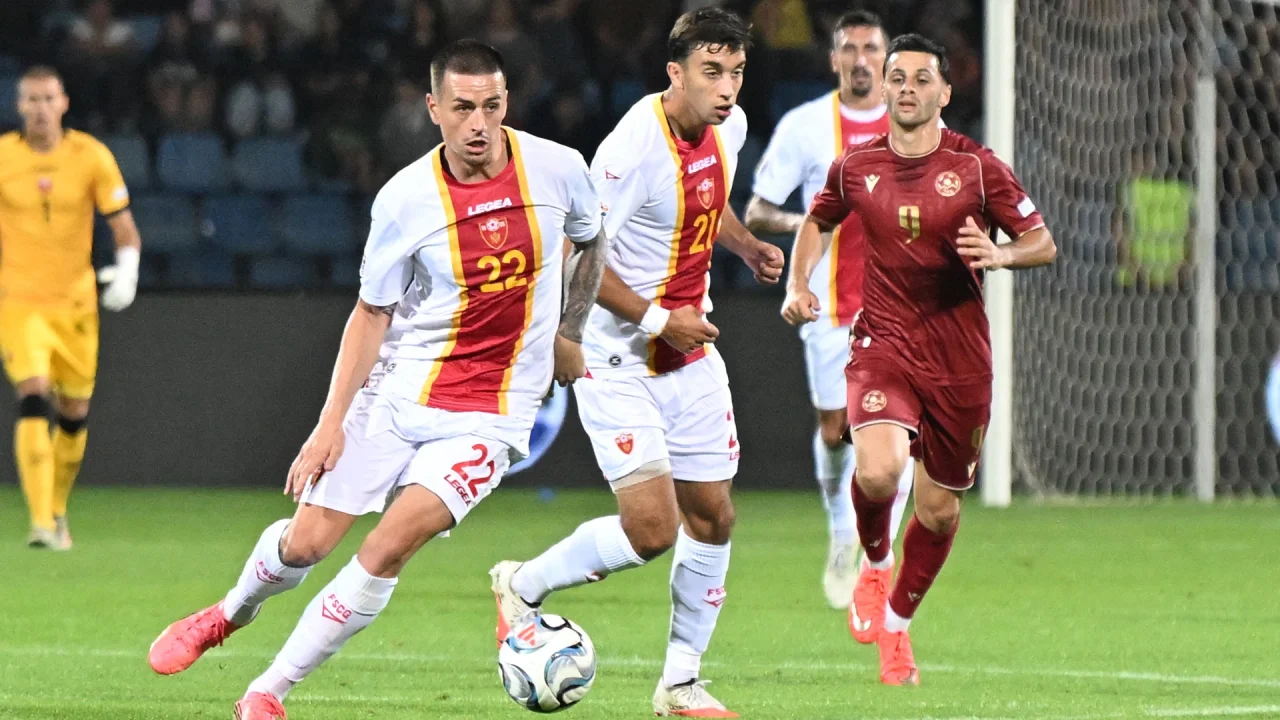
Montenegro defeated Armenia 3-2 after Aleksa Latković scored the late winning goal, his second decisive finish in four days. The victory moved Montenegro three points clear in League C Group 2 and rewarded a team that continued to attack after twice seeing the match remain within Armenia’s reach. The result was dramatic, but the winning phase depended on keeping enough structure to create one final controlled entry.
Armenia made the match difficult by refusing to stay deep
The hosts did not spend the entire evening protecting their penalty area. They looked for moments to press and carried runners forward when Montenegro lost the ball. That approach created a match with changing momentum rather than one continuous visiting attack. Montenegro had to defend its own transitions before it could return to the task of breaking Armenia down.
For Armenia, the open approach carried a clear cost. When the first press was bypassed, defenders had larger spaces to protect and less time to organise. The match became a test of whether the attacking benefit justified those recovery runs. Scoring twice showed the benefit; conceding three times showed why the balance remained incomplete.
Montenegro kept using width to reopen the centre
Against a narrow defensive shape, direct central passes were often crowded. Montenegro moved the ball outside to force an Armenian midfielder or full-back away from the middle, then looked for the next pass inside. The width was not valuable by itself. It was a way to create a larger gap for a forward or late midfielder to attack.
Crosses also needed variation. Repeated high deliveries toward a set defence would have become predictable. Pulling the ball back, attacking the far side or carrying it closer to the byline changed the point Armenia had to defend. Those adjustments kept the hosts from settling even when they had survived several earlier attacks.
The 2-2 phase demanded patience without passivity
A level score late in the match can produce two opposite errors. One team may accept the point too early; the other may send everyone forward and expose an easy counter. Montenegro continued to seek the winner while protecting the first Armenian outlet. That allowed pressure to restart after incomplete attacks instead of becoming one final reckless charge.
The midfield’s spacing was central to the plan. One player supported the ball, another prepared to receive a clearance and the remaining cover protected against a direct break. This arrangement gave the forwards confidence to attack the box. They knew a blocked delivery would not automatically become a sprint back toward their own goal.
| Match fact | Detail |
|---|---|
| Result | Armenia 2-3 Montenegro |
| Decisive scorer | Aleksa Latković |
| Recent record | Second late winner in four days |
| Group impact | Montenegro moved three points clear in C2 |
Latković found the decisive space in the final attack
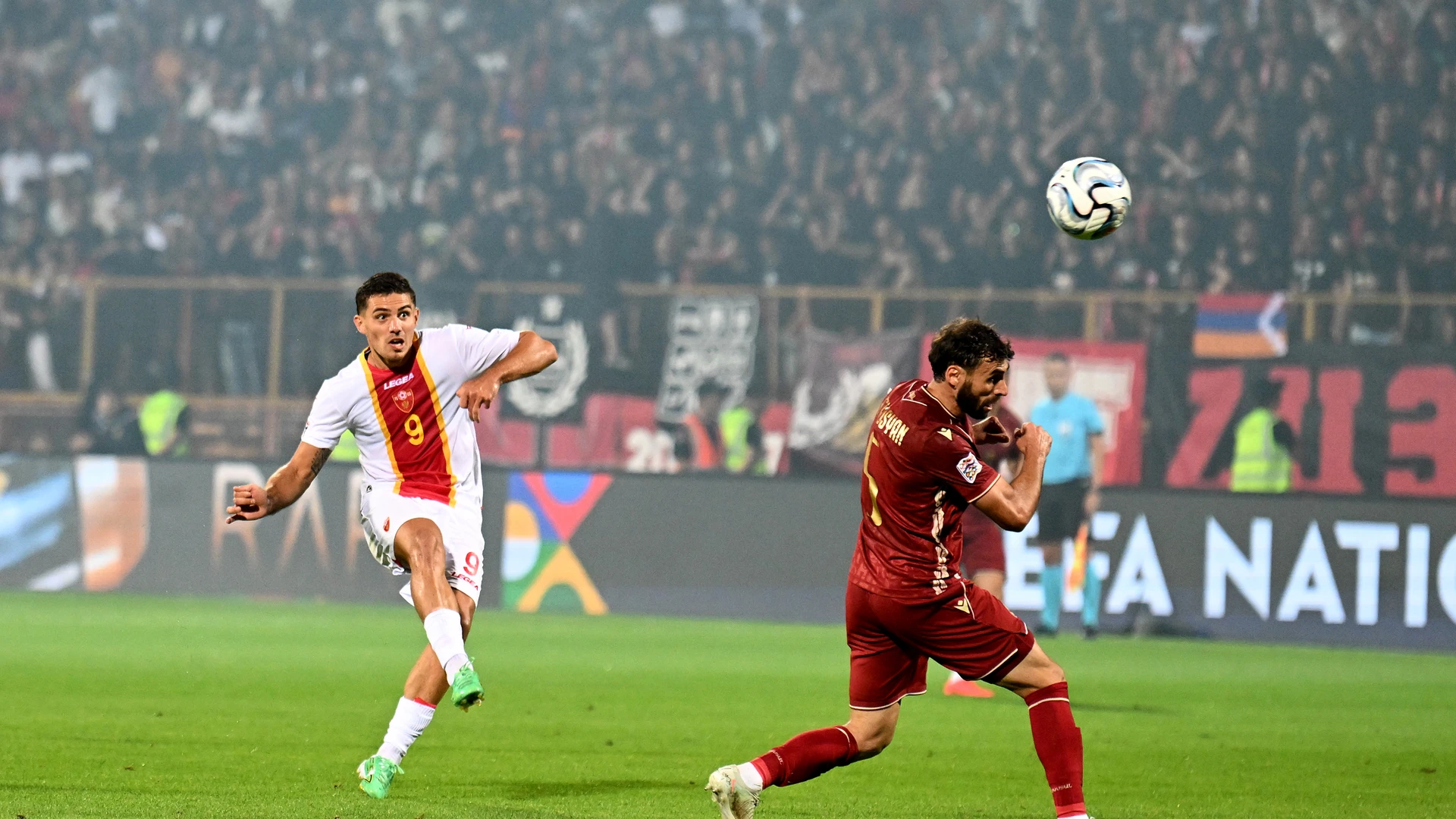
Latković’s second late winner in four days is not simply evidence of good fortune. Reaching a decisive position near the end of consecutive matches requires concentration and belief that the next move still matters. Tired defenders often focus on the ball and the nearest striker. A runner who delays, then enters the uncovered lane, can receive the final action with more control.
The finish also showed the value of a squad containing several sources of responsibility. Montenegro did not need one established star to force every attempt. Latković could take the decisive touch because the preceding movement created a credible set of alternatives. Armenia had to defend the move as a team pattern, not an obvious pass to one marked player.
League position changes how the result should be managed
Moving three points clear in Group C2 is useful, but an early lead in a group is not a trophy. Montenegro must preserve the habits that produced the points: compete through the whole match, keep a rest defence while attacking and accept that different players may decide different games. Treating the standings as protection would weaken the very urgency that created the advantage.
Armenia can take attacking evidence from two goals while examining why pressure disappeared at decisive moments. The answer is unlikely to be permanent caution. Better distances behind the ball and clearer responsibility for late runners can keep the threat while reducing the number of emergency duels near the penalty area.
Montenegro created the late winner through familiar attacking patterns
Late goals are remembered as emotional events, yet they often begin with simple work: a secure first pass, width that moves the block and a runner attacking the right space. Montenegro repeated those actions until Latković received the final opportunity. The team did not need an entirely new tactical idea in the last minutes; it needed to execute the existing one under greater pressure.
That is the most useful conclusion from the 3-2 result. Armenia proved capable of hurting the group leaders and kept the match alive. Montenegro proved capable of responding without losing its organisation. Latković supplied the finish, while the structure around him turned a hopeful last attack into a clear winning chance.
Comments
No comments yet — be the first to share your thoughts.