















































Denmark beat Wales 2-0 after Mikkel Damsgaard created the decisive moments from the left side. His first dangerous cross was turned into the Welsh goal early in the second half, and a later cross found Gustav Isaksen for a finish that went in off the crossbar. Denmark had already held about seventy percent of the first-half possession and Damsgaard had struck the post before the break.
Denmark used possession to pull Wales out of position
The hosts held most of the ball in the first half, but their aim was not simply a high possession figure. They circulated until the Welsh midfield narrowed, then moved the next pass toward Damsgaard and the outside lane. Repeating that pattern forced the visiting wing-back to decide whether to step forward or protect the space behind.
Wales stayed level through the break because the first line did not chase every Danish centre-back. That patience reduced the room between the lines. Denmark therefore needed width and a player willing to deliver before the box became crowded. Damsgaard offered both, and his shot against the post was the clearest warning before the goals arrived.
Damsgaard’s cross forced the opening own goal
Early in the second half, Damsgaard sent another dangerous ball through the area. Ben Davies attempted to deal with it and turned it into his own net. The final touch belongs to the defender, but the chance came from Denmark reaching the outside with enough bodies attacking different heights inside the box.
A defender facing his own goal has little room for a perfect clearance. Denmark increased that difficulty by sending a near-post runner and keeping another option deeper. Davies could not simply leave the ball. The sequence shows why a precise cross can create a goal even when no attacker makes the last contact.
Wales sent more players forward after conceding
The first goal changed the visiting team’s priorities. A compact draw was no longer enough, so Wales had to bring a midfielder or wing-back higher during possession. That offered a better route forward but also gave Denmark a larger space to attack after regaining the ball. The hosts could now choose between controlling tempo and accelerating into the exposed side.
Denmark did not abandon its structure to chase an immediate second. The centre-backs continued to support circulation, while midfielders stayed available behind the attack. This prevented one Welsh clearance from becoming a free run at the Danish goal. Control after scoring was as important as the pressure that created the opener.
| Measure | Denmark |
|---|---|
| Result | 2-0 |
| First-half possession | About 70% |
| Creator | Mikkel Damsgaard |
| Second scorer | Gustav Isaksen |
Isaksen converted Damsgaard’s second decisive cross
Damsgaard later supplied Isaksen, whose finish went in off the crossbar. The winger attacked a space that had been prepared by the earlier movement. Instead of standing next to the nearest defender, he arrived as the ball travelled. That timing made the strike cleaner and gave the goalkeeper less time to adjust.
The use of the crossbar was not a sign of poor control. Isaksen struck with the height and force needed to beat the goalkeeper from the available angle. Denmark’s second goal also meant Wales could no longer solve the match with one successful set piece. The hosts had converted territorial control into a secure score.
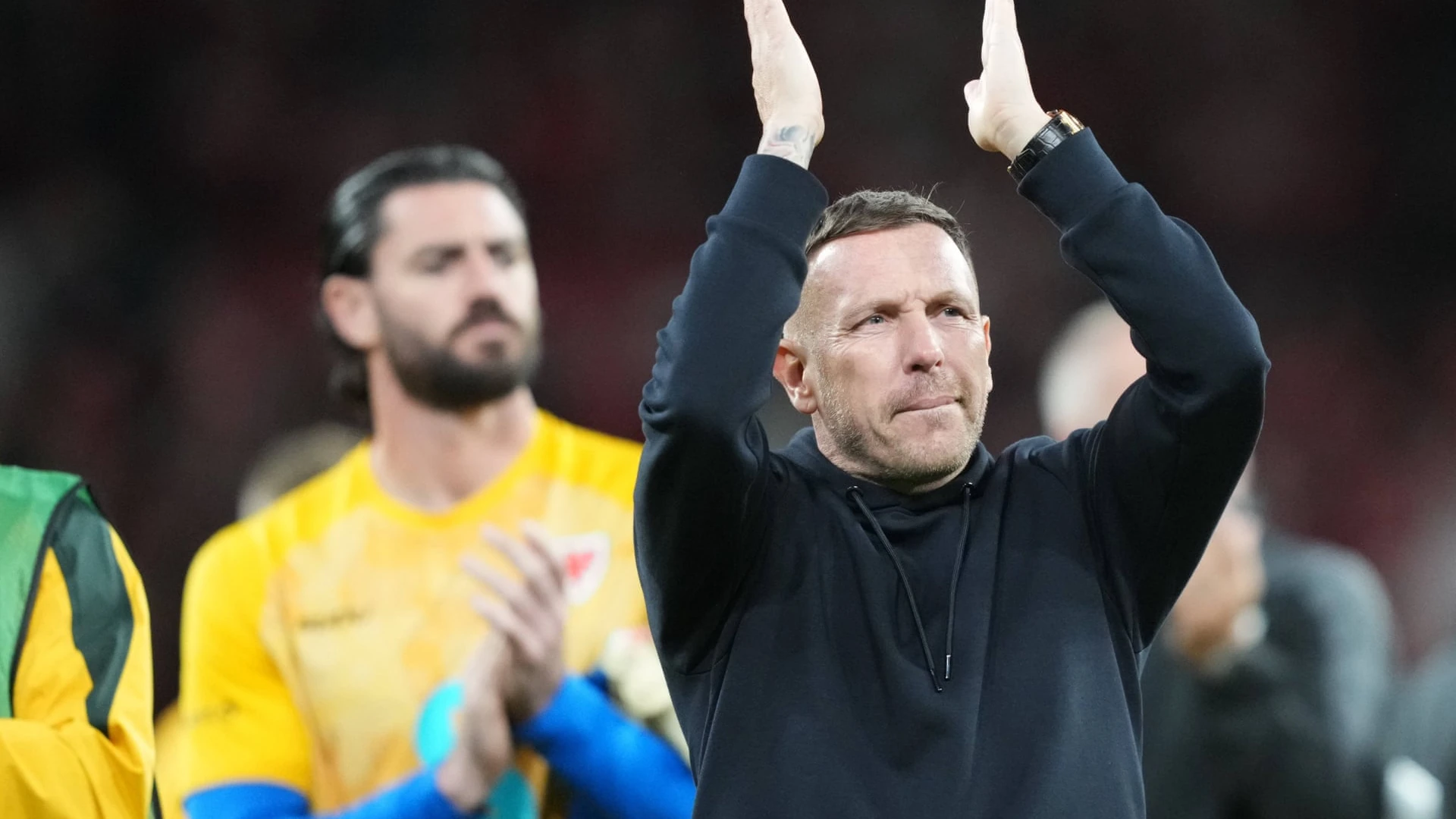
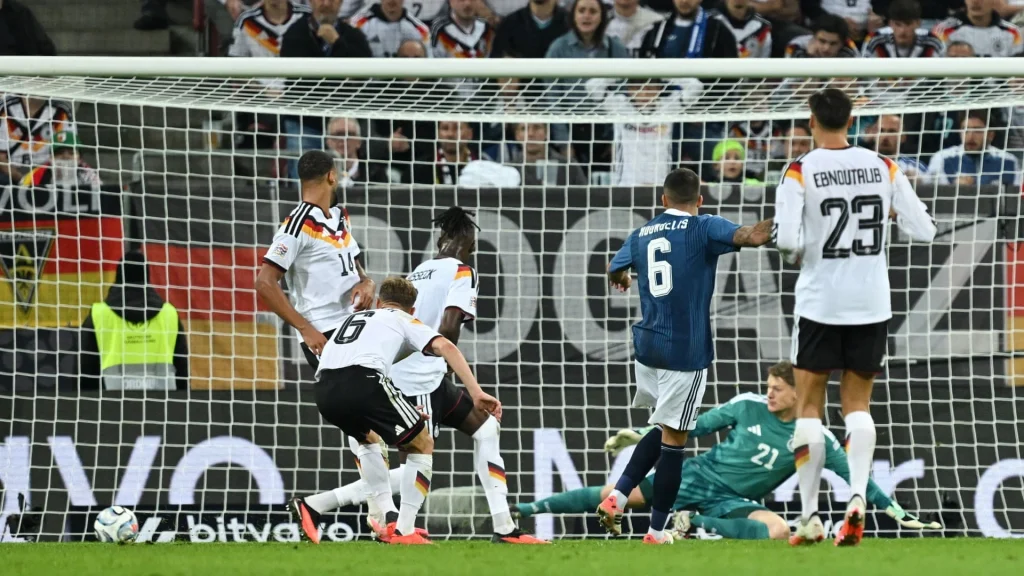
Denmark created both goals from the left in different ways
Both goals were linked to Damsgaard, yet Denmark did not simply repeat the same cross. The first delivery forced a defender to act while facing his own goal. The second found Isaksen arriving at the right moment. Denmark attacked from the same side but changed the target, pace and path of the final ball.
Wales can take value from a disciplined first half, but the review must examine what happened before each delivery. Stopping the cross only at the final moment is difficult. The winger, nearby midfielder and covering defender must close the route together. Denmark’s 2-0 win was built on making that coordination fail twice while keeping the rest of the match under control.
Denmark controlled the match by making the next pass simple
Damsgaard’s influence came from receiving in positions that offered more than one next pass. Wales could not press him from a single direction without freeing another Danish player, and Denmark rarely held the ball long enough for the gap to close. The advantage can be repeated because the receiver sees the next action early while teammates maintain useful distances instead of gathering around the ball.
Wales need a better way to pass beyond Denmark’s first press. A clearance can stop one attack, but it gives Denmark another chance to organise. The alternative is not risky short passing in every situation. One forward can occupy a central defender while a midfielder approaches the second ball, giving the goalkeeper or centre-back a clear long-pass target. Even a modest improvement there would reduce the time spent defending.

Comments
No comments yet — be the first to share your thoughts.